 TryOn
One family, four endpoints
Nano Banana 2.1, Nano Banana and Nano Banana Official differ in resolution and reference count. Pick 2.1 unless you specifically need the older endpoint for a look you already shipped.
1 free try-on, 1 free video and 1 free image every day — no sign-up neededSee what's free
Nano Banana is Google’s Gemini image model, and the one the free daily image runs on. Nano Banana 2.1 renders at 1K, 2K or 4K, takes up to fourteen reference photos for an edit, and keeps a face — or a product — consistent between takes.
Log in to generate and keep your images.
Your generated images appear here.
Describe an idea, pick a model and press Create. Four renders of one prompt usually land one image worth keeping.
Every image model lives on one page too, with reference uploads, batches and the full resolution list. AI Image Generator
Write the prompt, or attach up to fourteen references and describe only the change. Nano Banana 2.1 renders at 1K, 2K or 4K, and the free daily image covers the 1K tier.
With references attached, name the edit: "the jacket, now bottle green, same pose and light". Everything you do not mention is meant to survive untouched, and with this model it usually does.
Download and check the eyes at 100% before rendering a batch. Nano Banana keeps identity across a set, which means a wrong likeness repeats through every variant, so verify on one image first.
Gemini’s image model is strongest on consistency: a face, a product or a layout that has to survive a series of images.
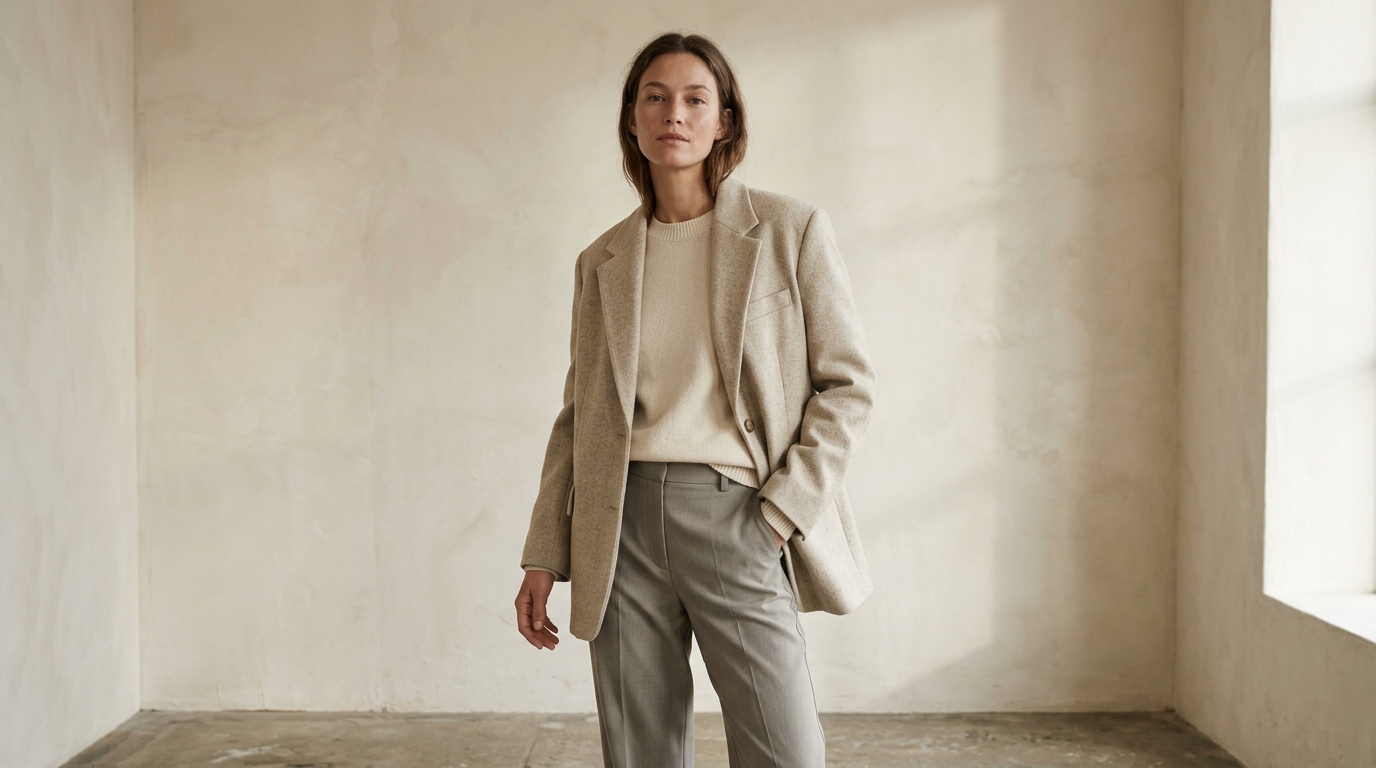 Up to 14 references.
Upload the person, the product and the style separately. One clean front photograph beats five artistic ones, because the model averages whatever it is given rather than picking the best.
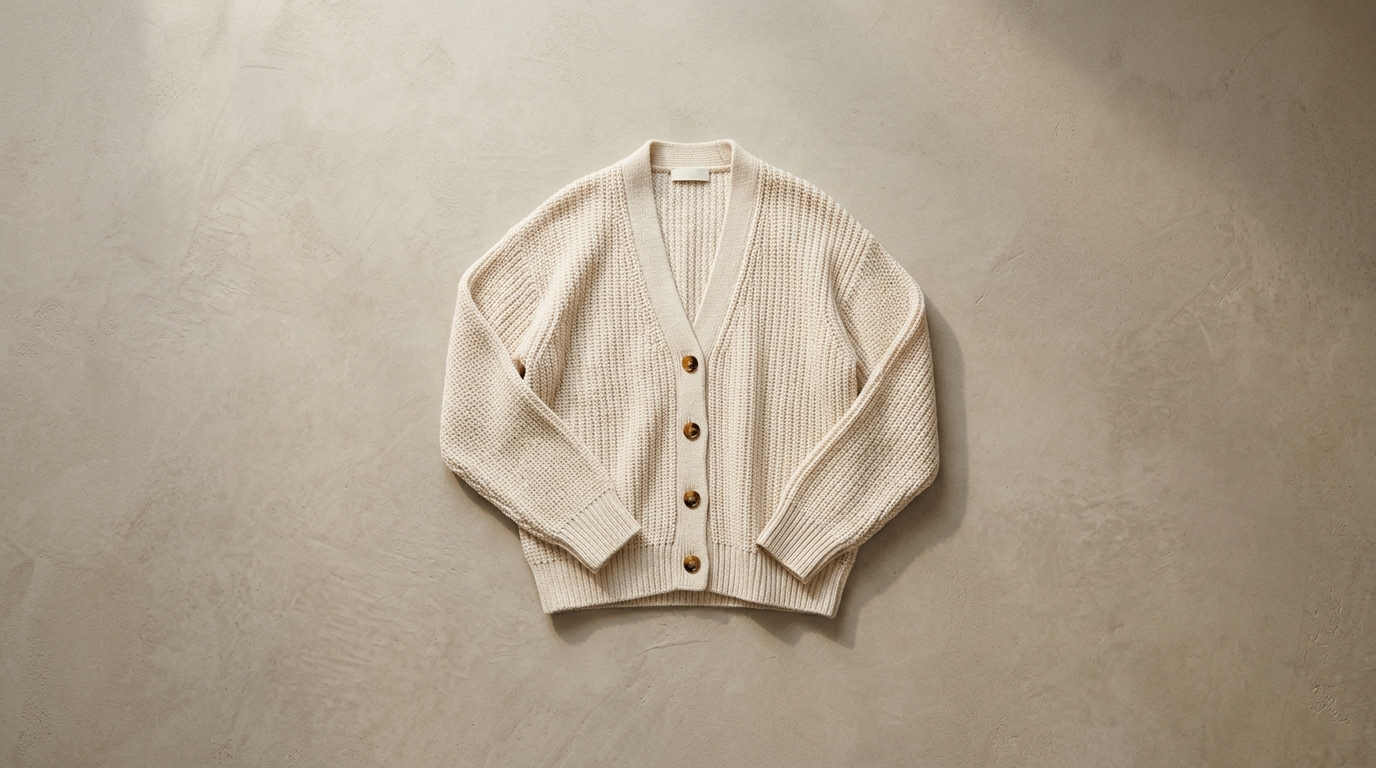 Subject, change, keep.
Name the subject, the change, then the things that must stay: pose, light, framing. Nano Banana follows a scoped instruction, while a vague one returns a different photograph instead of an edit.
Fourteen references and identity retention make this the model for sets rather than for single pictures.
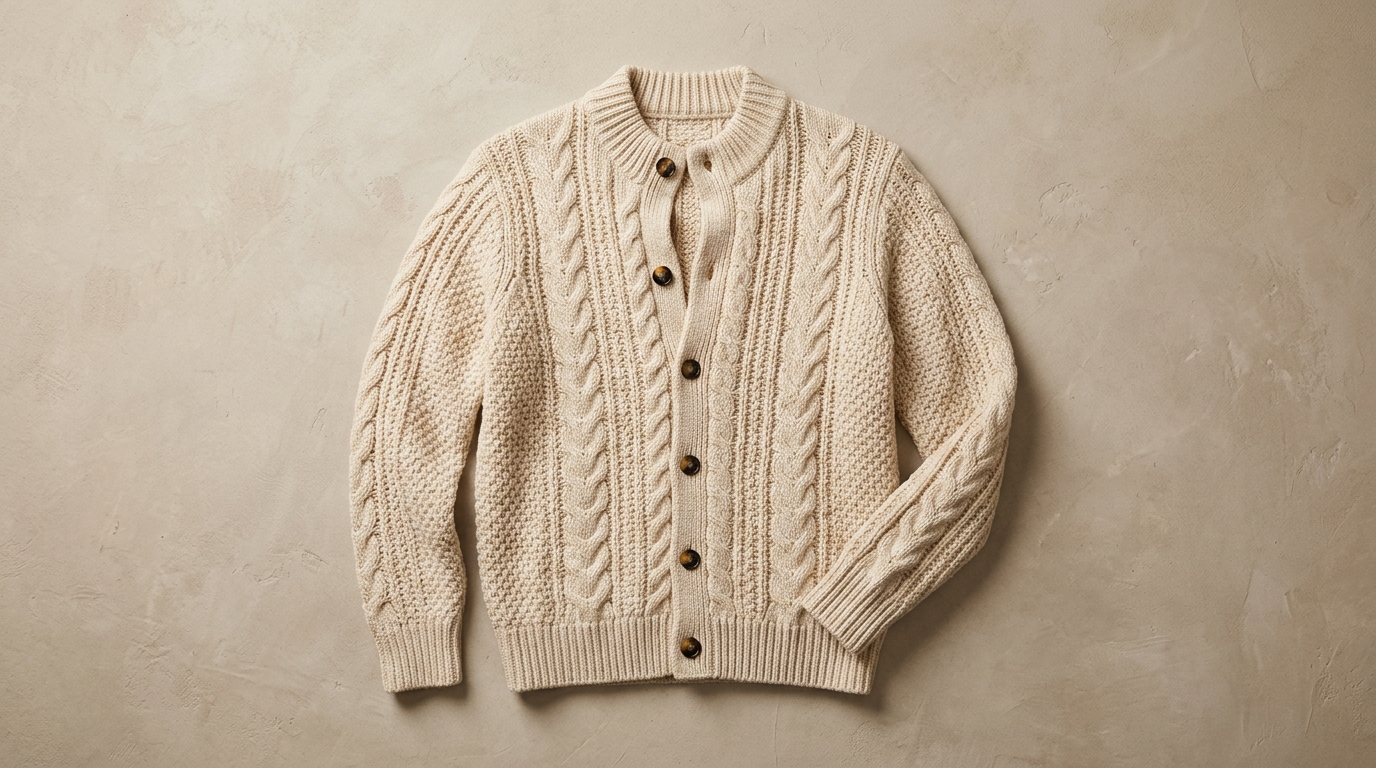
Upload one product shot and ask for the same object in five colours, same angle, same light. That is a catalogue page instead of a studio day, and 2K is already enough for a shop.
Notes from sellers, designers and writers who needed one picture, not a photoshoot.
“I keep one reference photo of each product and describe a new background. Ten listing images in an afternoon, and the free image is what made me try it at all.”
“Four renders of one prompt is the useful part. I post the one that still reads on a phone, and the other three cost nothing to look at.”
“The reference photo is what makes product shots usable. I upload the real item, describe a new surface, and the render keeps the shape, the label and the proportions.”
“I sketch a direction with prompts, then draw the real thing. Twelve cheap thumbnails beat staring at a blank page.”
“The button told me the price before I clicked, and the one render that failed came back as credits. That is all I ask from a paid tool.”
“Image to image keeps a character on model. I upload the sheet I drew, describe a new pose, and the style survives.”
Consistency is the promise; these four habits are what keeps it.
Nano Banana 2.1, Nano Banana and Nano Banana Official differ in resolution and reference count. Pick 2.1 unless you specifically need the older endpoint for a look you already shipped.
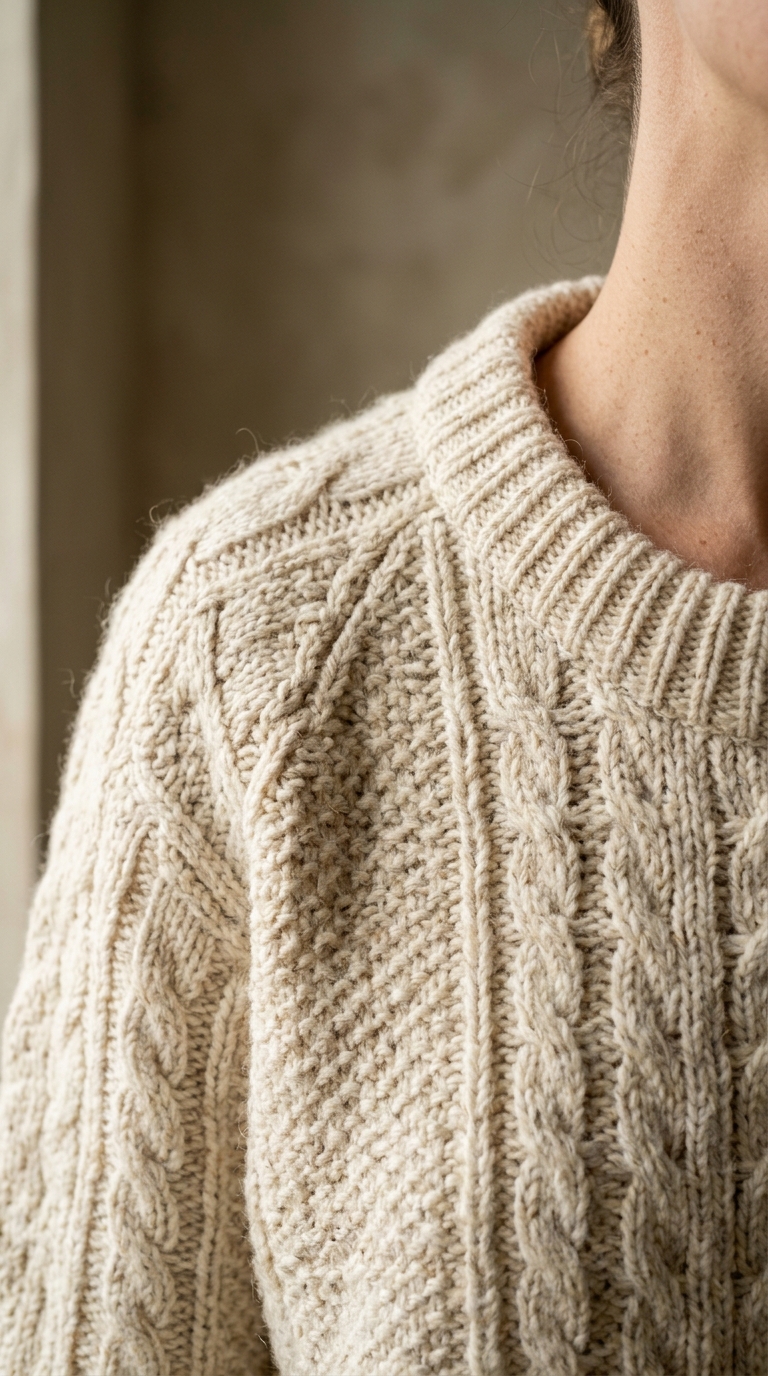
Each extra reference dilutes the instruction. Three good ones usually beat ten, and one clean product shot beats a folder of blurry ones every time.
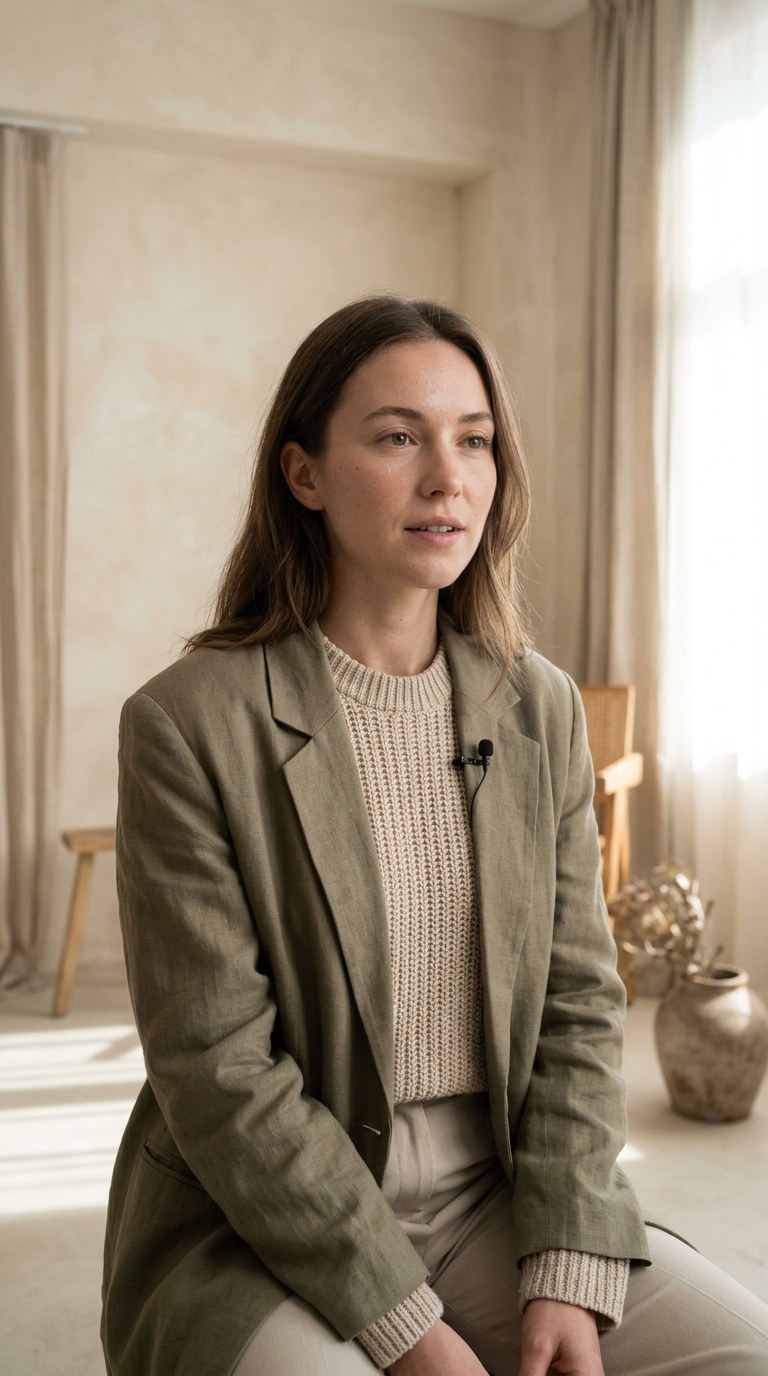
Quote the exact string, keep it to a handful of words, and check the spelling at 100% before a poster ships to print or a client.
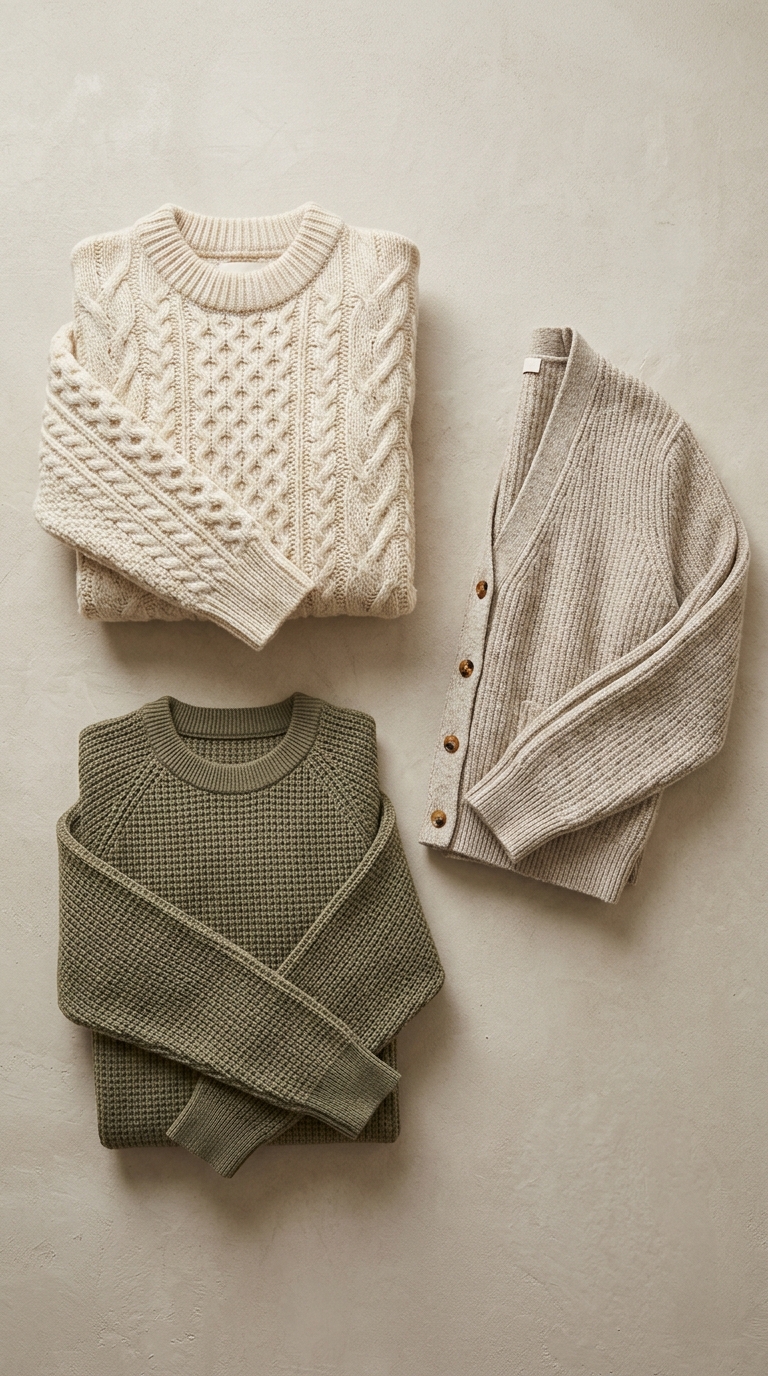
The daily free image is 1K on Nano Banana 2.1. Find the composition there, then spend credits on the 4K render that actually ships.
The free tier, the reference limit, and how the model keeps one face consistent across a batch.
Nano Banana is the nickname of Google’s Gemini image model. This studio runs Nano Banana 2.1 plus the Nano Banana and Nano Banana Official endpoints: text to image, or an edit driven by up to fourteen reference photos, at 1K to 4K depending on the route.
Yes. The 1K tier of Nano Banana 2.1 is exactly what the free daily image covers — one image per visitor per day, no account needed. Other resolutions, batches and the other image models are paid from credits, with the cost shown before you generate.
Consistency. Upload the references you want kept — a face, a garment, a packaging shot — and describe only what should change. It is also the strongest of the three at rendering legible text in an image, which is why it is the default for posters and thumbnails.