 TryOn
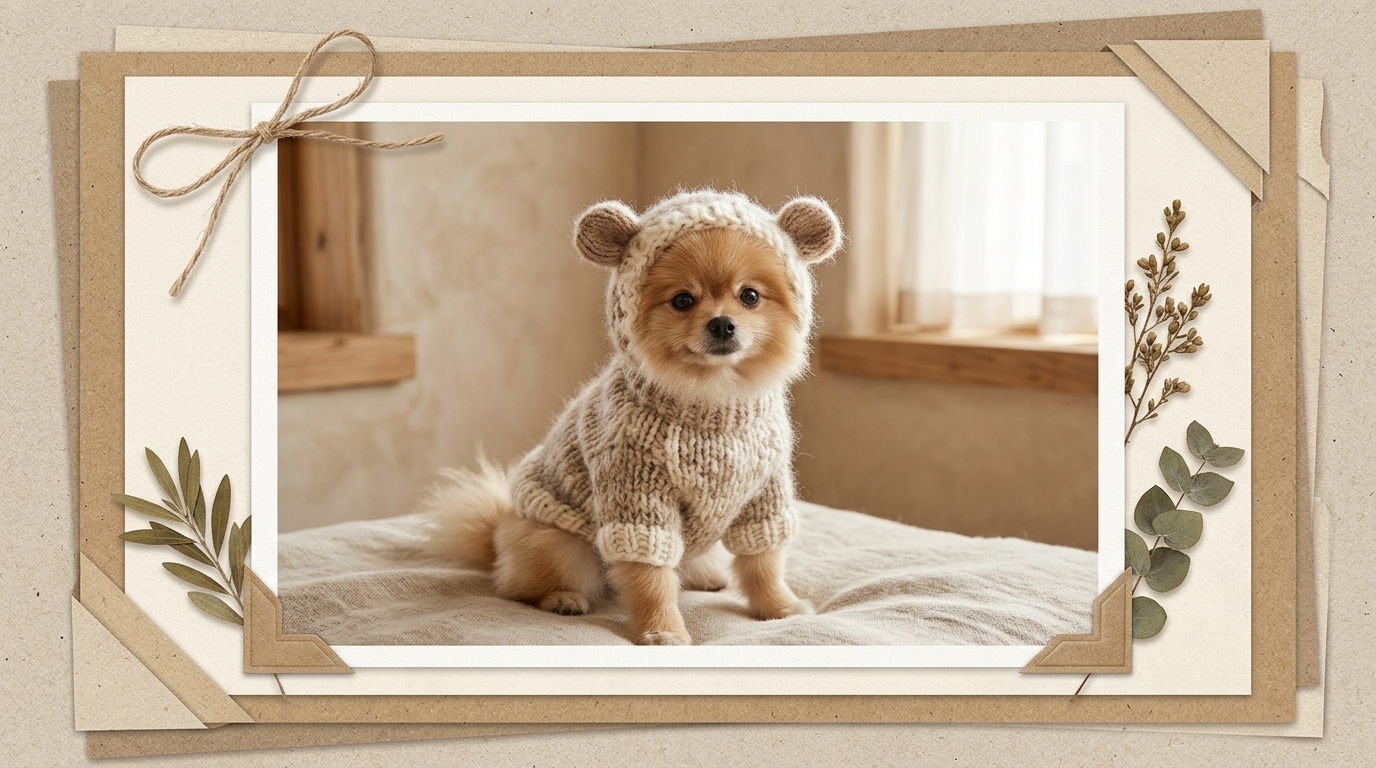
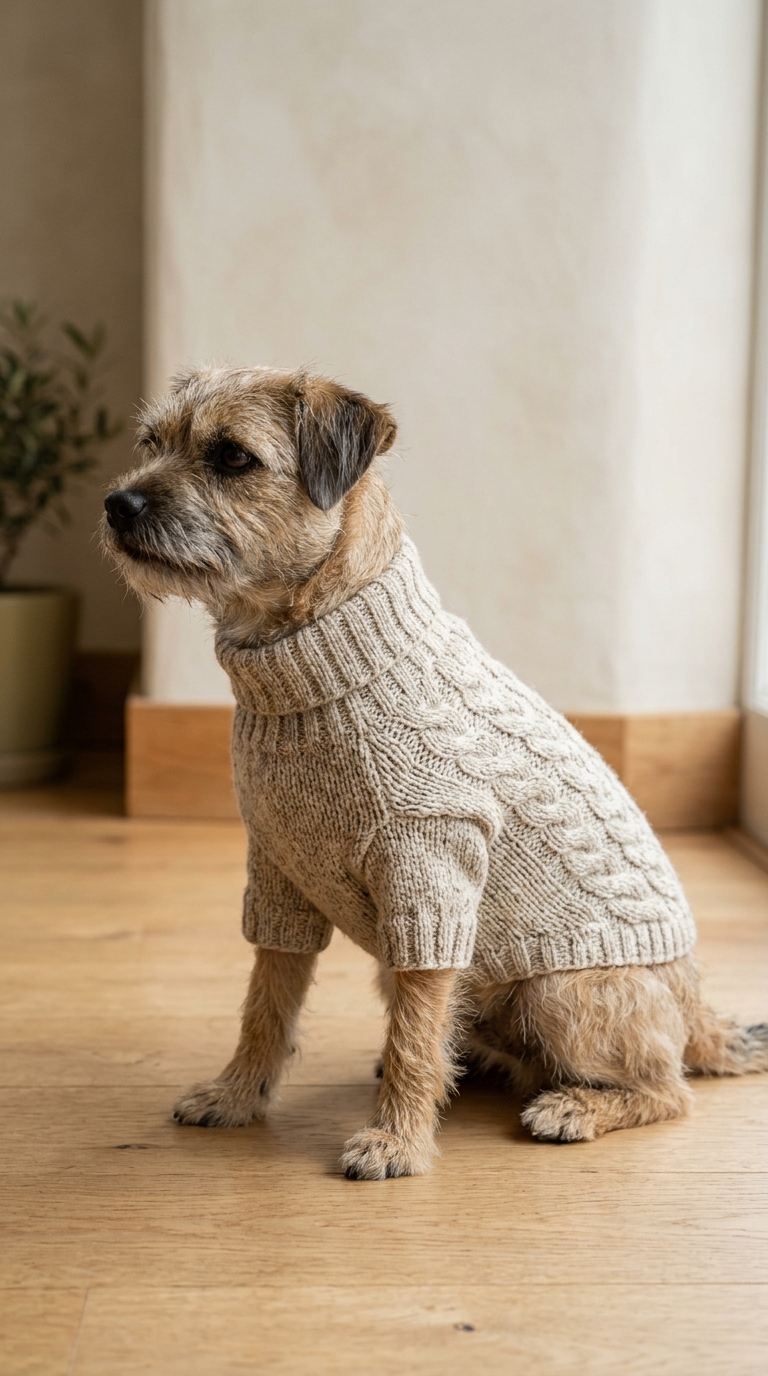
Compare two sizes on the same pet
Put the small and the medium on one photo and see where each one ends along the back.
1 free try-on, 1 free video and 1 free image every day — no sign-up neededSee what's free
Upload a photo of your dog or cat and a shot of the outfit you have in mind. A coat, sweater or costume lands on your own pet in seconds, free.
Two images. One new perspective.
Private by default · Delete any result at any time
A first look at what’s possible
Start from an outfit instead of a blank upload. Pick an image below to load it as a sample, then swap in your own pet photo and the piece you have in mind. Samples are free, so a first size guess costs nothing.
The studio opens whether or not you are signed in, and a fresh set of previews appears every day. The first outfit is never gated, and no card is asked for at any point.
Each day brings a new run of previews for a coat, a sweater or a costume you keep comparing. The allowance renews on its own, which suits a purchase that usually waits for a cold week.
Unlimited mode lifts the daily cap, so you can put a red coat next to a navy one, or compare two sizes on the same pet photo. Between sizes is the normal case with dogs, and two previews settle it.
No card, no countdown, no email wall before the first preview. An account only matters for keeping a look in your history, and for holding credits if you ever want more than the daily allowance.
The daily allowance covers every tool on this page, not just pet outfits.
Pet clothes are one studio in a set. The same photo also carries clothes for you, a bag, a watch or shoes, so a matching look can be planned without uploading twice. Owners who dress a dog for a shoot usually want the human outfit in the same frame.
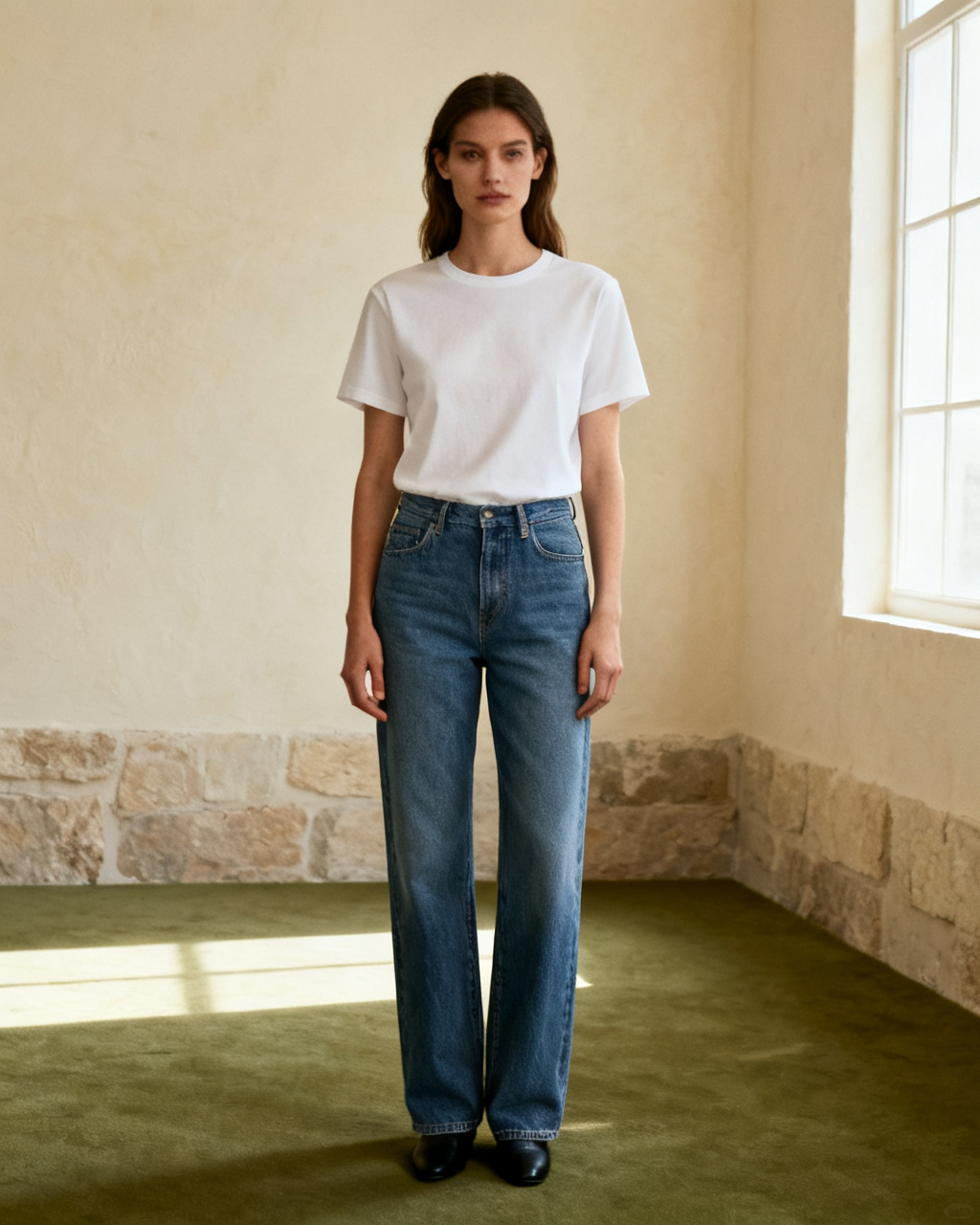
Upload your photo and the item you have in mind, then see it on your own body instead of a stock model. The steps stay the same for a garment, a pair of frames or a watch: one photo of you, one photo of the piece, one preview. Start here when you are not sure which fitting tool you need.
Start fittingA side-on or front-facing shot of the whole body works best. Keep the back, the chest and the legs in frame, because a coat covers all three and short sleeves stop at the leg opening. A treat held just out of frame keeps a dog standing for the second you need.
A product photo from the shop or a flat-lay of the coat works as the reference. Keep the whole piece in frame, with the leg openings and the closure visible. If the listing only shows a harness model, the length is still readable from the side.
Check the length against your pet back and the chest against the listed measurement, then compare a second color. A preview settles the look; the size chart and your pet comfort decide the order. If the piece is close to the tail, check whether it stays clear when they sit.
Every preview is built from two images: your pet and the outfit. Both decide how much the result can show, so a minute spent on them is worth more than a second attempt. A standing side-on photo is the whole trick, because a curled-up pet hides the length along the back.
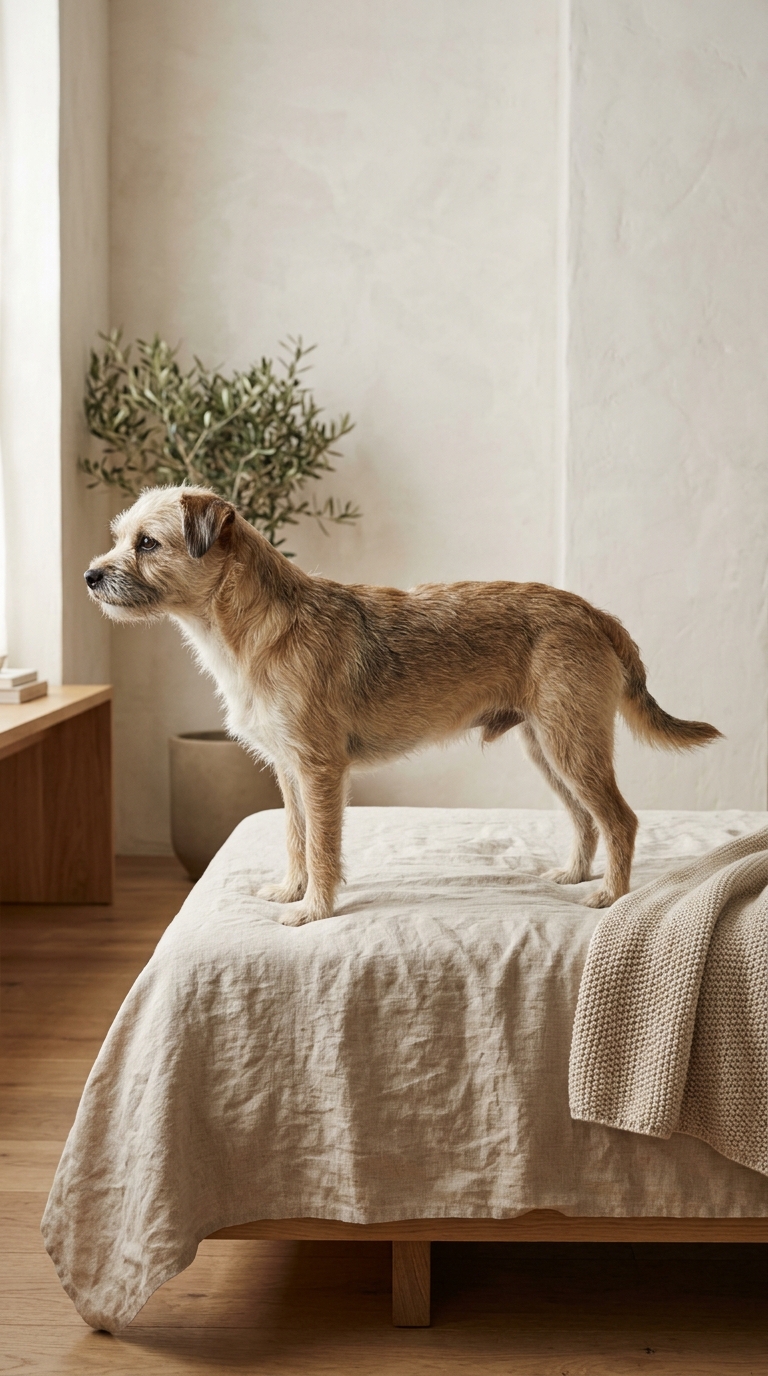 Whole body. Clear legs.
A side-on shot of your dog or cat standing shows the back, the chest and the leg openings at once. A close-up of the face, a curled-up sleeping pose or a hand under the belly all hide the shape the outfit needs. Daylight and a plain floor keep the edges clean.
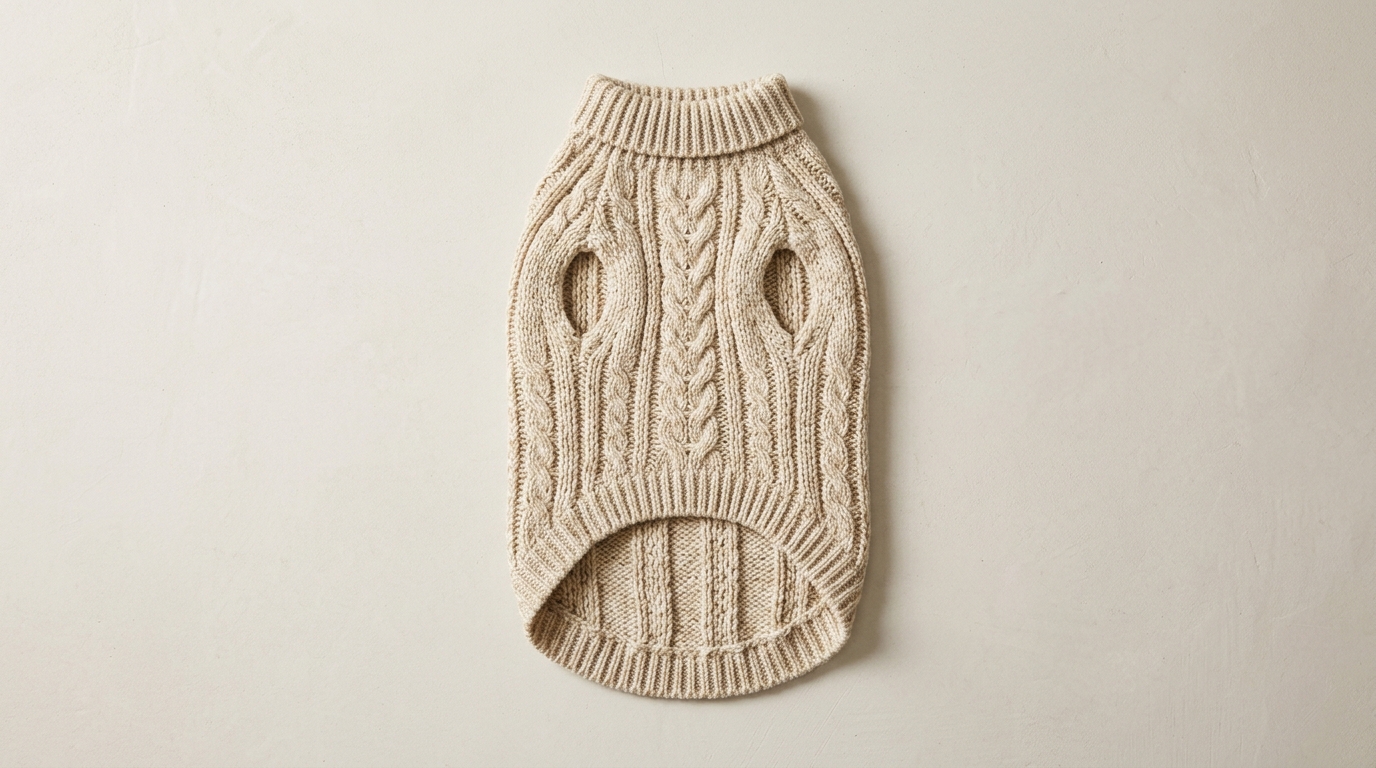 Leg openings and closure visible.
The reference should make the cut easy to read. A coat bunched in a hand, a photo of the inside lining or a listing screenshot with a price tag over the chest leaves the preview guessing at length. A shot worn by another pet of similar build is the useful fallback.
The piece is isolated, with the leg openings and the closure visible.
The outfit is laid out fully, without folds hiding its length.
The fit is shown from the side, with no hand or leash crossing it.
One preview can serve a product page, a grooming appointment or a gift. Pick a scenario to see what it changes, and how much of a decision it can carry.
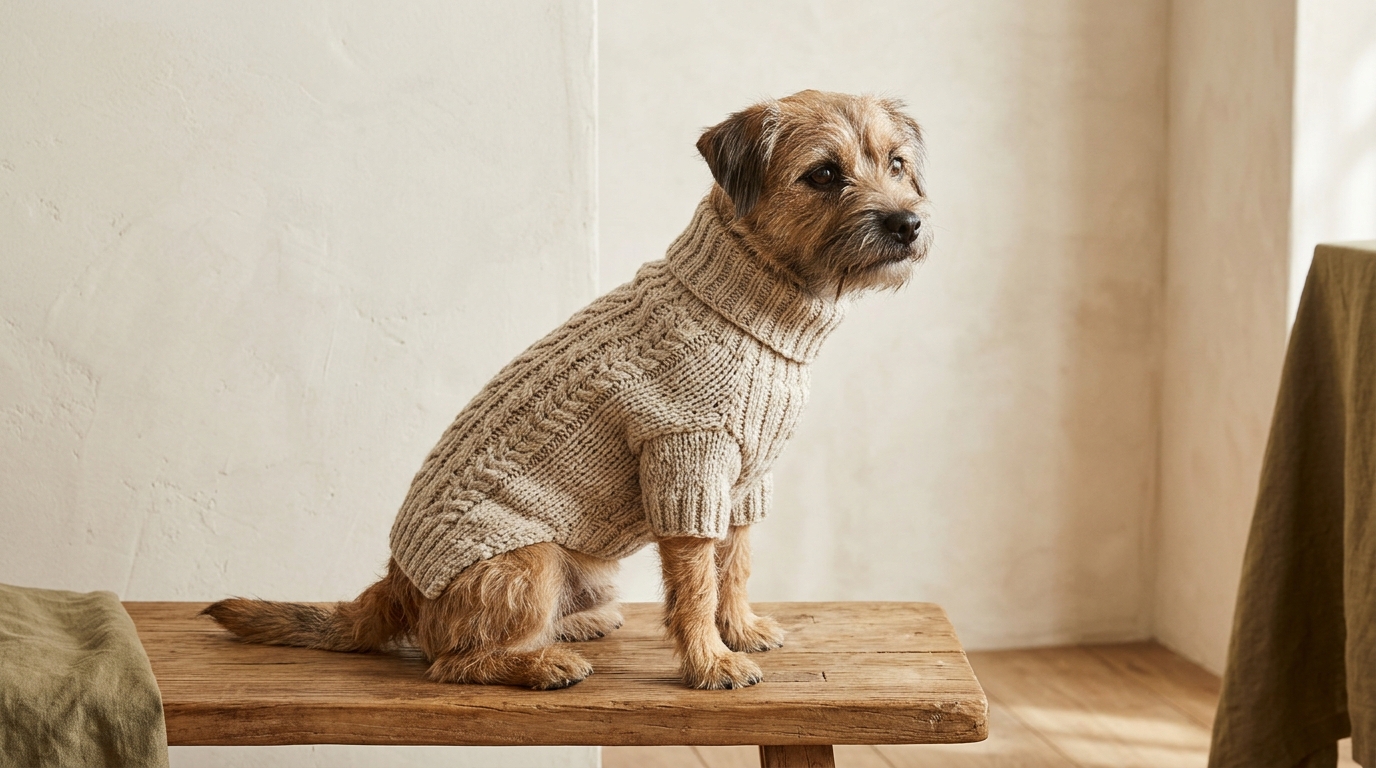
Set a preview beside a product photo so buyers see how a coat sits on a dog of similar size. Chest and back measurements still decide the order, and the preview makes them easier to read. Between-size buyers are the ones who return most, and this is where the picture helps.
Notes from pet parents, groomers and small shops who check an outfit before they order.
“My dog is between sizes, so I previewed both on his photo. The smaller one was right, and I skipped the return.”
“Owners describe what they want with their hands. A preview on their own pet is faster than any description.”
“Coat listings get the same question about length. A preview on a similar-sized dog answers it before checkout.”
“Cats are shaped differently from dogs. Seeing the sweater on my own cat told me it would not sit right.”
“I bought a coat for my sister dog without measuring him. The preview on his photo was close enough to risk it.”
“Matching sets for photos are easier to plan when I can see both the pet and my own outfit first.”
Start from an occasion rather than an order: a cold week, a photo shoot, a birthday, or a piece that keeps sitting in a cart.
Put the small and the medium on one photo and see where each one ends along the back.
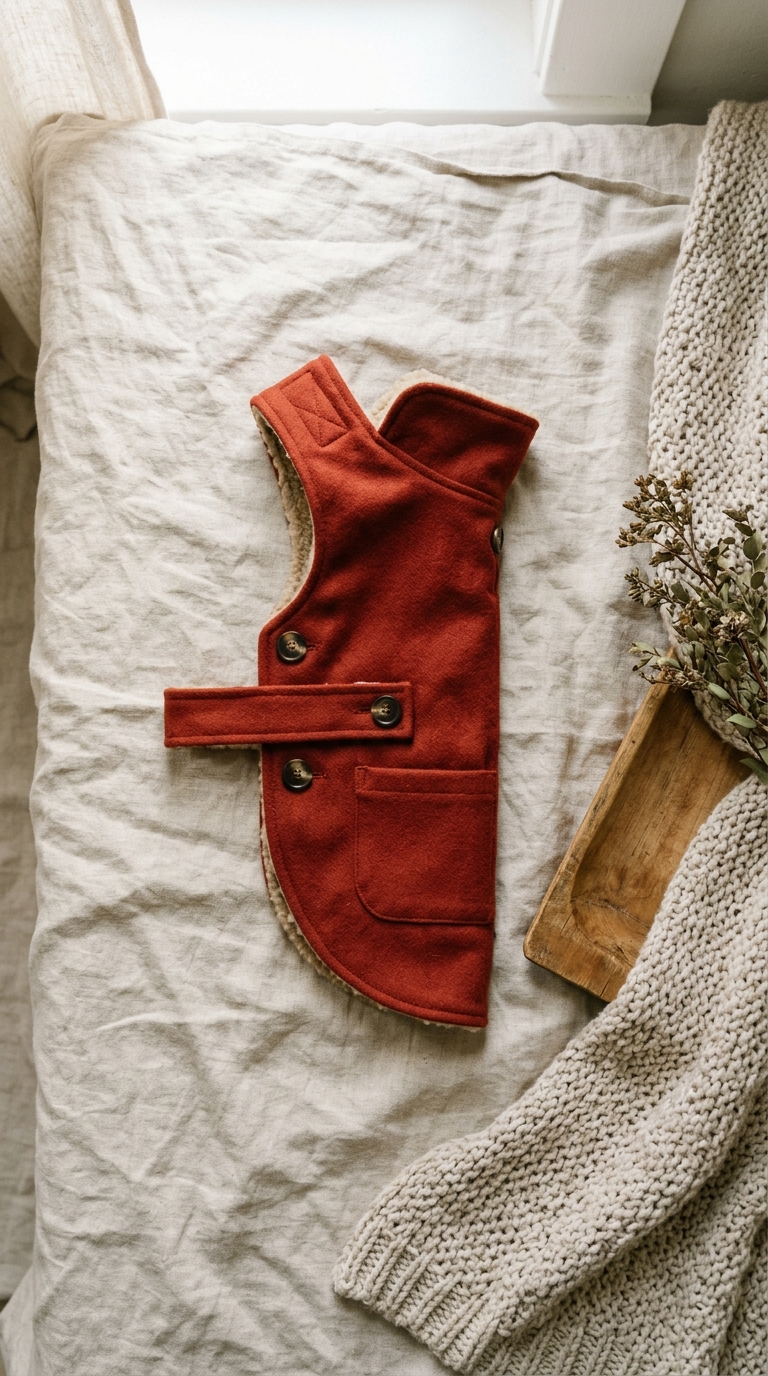
Preview the pet coat and your own jacket in the same week and check whether the colors still read together.
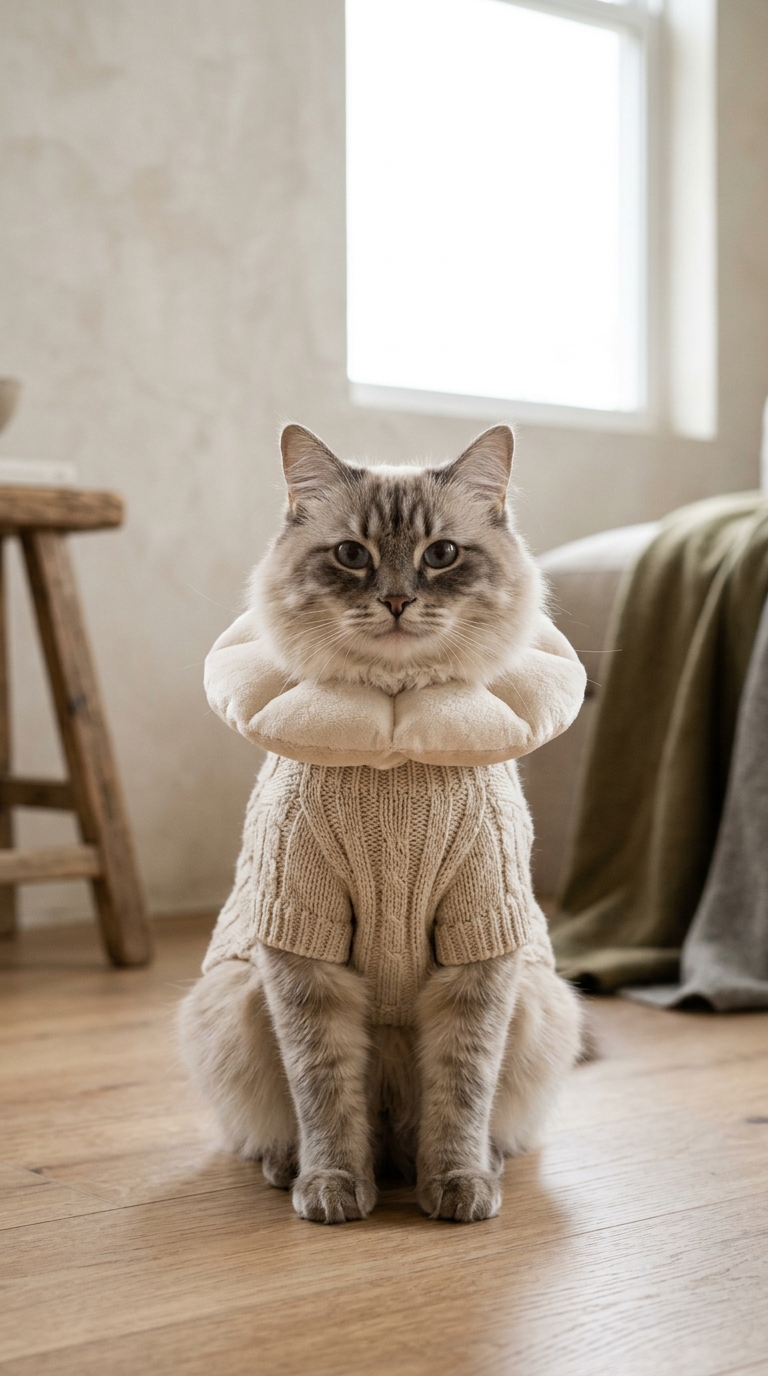
A collar changes how a coat sits at the neck. Preview the pieces together instead of one at a time.
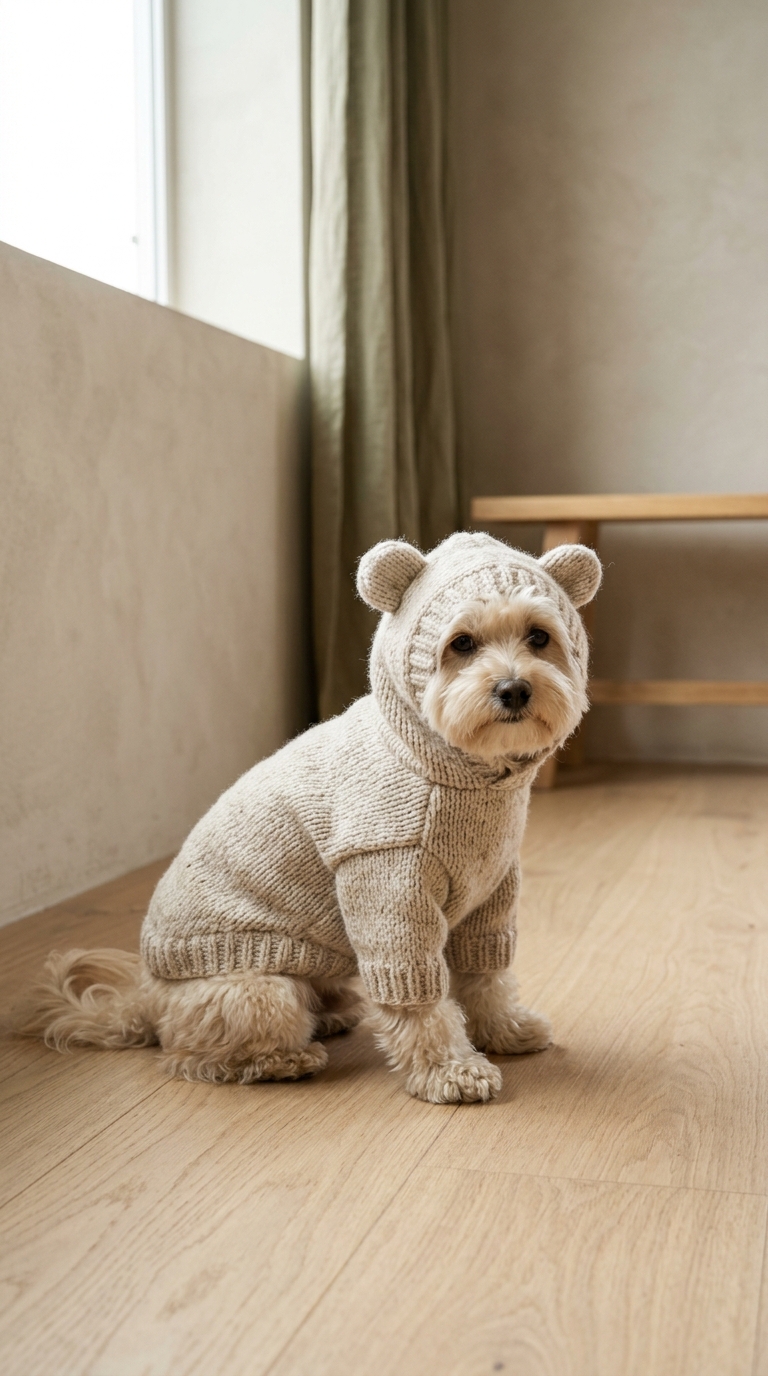
Try the party piece on your own pet first, and keep it to the minutes a photo needs rather than an afternoon.
Short answers about seeing an outfit on your own dog or cat, online and for free.
It runs in the browser rather than as a download. Upload a photo of your pet and a shot of the outfit, and the preview appears in seconds on a phone, tablet or laptop. The first outfit needs no account.
Yes. The preview places the coat or sweater on your own pet photo, so you can judge length and color before you order. It is a visual check, not a measurement: the tape measure still decides which size ships.
A side-on shot of the whole body, standing, in daylight. Keep the back, chest and legs in frame, and avoid close-ups of the face or a curled-up sleeping pose. A second photo from the front helps with collars and capes.
Starting is free. You get free previews every day without an account, and the sample pets and sample outfits are free to use too. Unlimited mode takes the daily cap off when you want to compare several coats at once.
The model reads your pet posture and body shape, then renders the outfit at the matching length and angle. A standing side-on photo and a flat-lay of the piece give it the most to work with, and a sitting pose always shortens the visible back.
It shows proportion. For the actual size, measure the chest behind the front legs, the back from neck to tail and the neck, then compare those numbers with the size chart. For a fluffy coat, measure against the skin rather than the fur.
A preview is an image, not a fitting. In real life, check that the piece does not restrict the legs, the neck or breathing, and keep the first wear short while your pet gets used to it. Remove anything they chew at, and never leave a dressed pet alone.
Sometimes, but the shapes differ. Cats have a different chest and neck line, so use a photo of your own cat rather than a dog listing, and choose pieces cut for cats where you can. Expect a shorter wear time either way.
Uploads are re-encoded and stored privately. Results appear only in your own history and are served only to your account, and you can delete any of them at any time.
Yes, that is the most common use. A single side-on photo of your dog covers every coat, sweater and costume you are considering, so the same photo can be reused for months of orders.
Four broad groups: knit sweaters and fleece for cold weather, waterproof shells for rain, harness-and-vest hybrids for walks, and costumes for occasions. Weather and walk length decide the group, and the preview settles the colors and the length along the back.
Warmth for short-coated and small breeds, cleaner paws and coats after a wet walk, and less anxiety for some pets during fireworks. The limits matter too: most dogs need a slow introduction, and overheating is a real risk in a thick coat indoors.
Wash on a gentle cycle with a pet-safe detergent, skip the fabric softener, and check the closures and the seams after every few washes. A piece that rubs shows at the armpit first, so look there before the second wear.
Yes, if you have a product photo of the finished piece. Custom sizing still starts from three measurements, so preview the look and send the numbers separately. Embroidery and name tags rarely show in a preview and always show in person.
Three numbers: chest at the widest point behind the front legs, back from the base of the neck to the tail, and neck circumference. Measure with a soft tape against the body, let the pet stand square, and write the numbers down so they match the size chart exactly.
For short-coated, small and senior pets, a fleece or a padded coat makes a visible difference on a cold walk. Double-coated breeds usually need nothing. Look at coverage rather than thickness: a coat that stops before the tail leaves the part that gets coldest uncovered.
Breed charts are a shortcut and a bad one, because two dogs of the same breed can differ by a size. Use the chart to narrow the range, then measure the chest and the back. A photo of your own pet settles the look; the tape settles which size ships.
A harness reads more like a fitted shape than a coat, so the leg openings matter less and the chest strap matters more. Use a side-on photo and a product shot flat on a table. Check the buckle position in the listing, since a strap that sits too far back rubs behind the shoulder.